
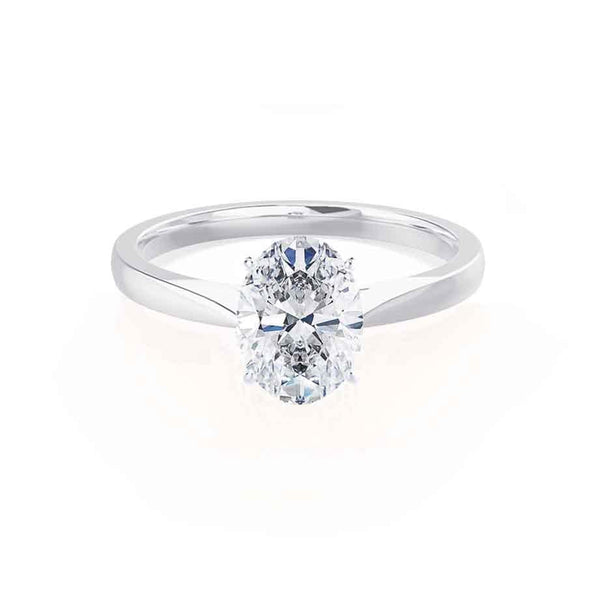
The growing influence of slow-fashion principles is transforming how people choose and wear jewellery, and brands such as lily arkwright are becoming part of this shift. As more consumers search for pieces with deeper meaning, thoughtful production and responsible material choices, the jewellery landscape is undergoing a significant evolution.
Slow fashion originally emerged as a response to the high volume and rapid turnover of mainstream fashion. In recent years, this mindset has expanded beyond clothing into the world of accessories. Jewellery, often viewed as timeless, is now being examined with fresh attention to how it is sourced, crafted and consumed. Modern buyers are looking for items with lasting value rather than transient appeal. This growing preference is changing how designers approach their craft and how brands define their identity.
One of the strongest drivers behind this movement is the desire for transparency. Consumers increasingly want to understand the origin of the materials used in their jewellery. This shift is encouraging brands to focus on responsibly obtained gemstones, recycled metals and traceable supply chains. Instead of prioritising mass production, many jewellers are turning to smaller scale, ethically conscious methods that support artisans and minimise environmental impact. This new direction allows wearers to feel a closer connection to the pieces they choose, reinforcing the emotional and symbolic role jewellery has always played.
Another important factor shaping these trends is the renewed appreciation for craftsmanship. As slow-fashion values gain traction, handmade techniques and traditional artistry are receiving more attention. Buyers are showing interest in pieces that reflect thoughtful design and the unique touch of the maker. These elements offer a sense of authenticity that fast-fashion accessories cannot replicate. With this comes a shift away from over embellished or trend driven items and a preference for refined aesthetics that can be worn for years.
Minimalist designs are also becoming more prominent. Rather than purchasing multiple accessories for different occasions, many consumers are opting for streamlined, versatile jewellery that complements a wide range of styles. This aligns with the slow-fashion emphasis on fewer, higher quality items. Clean lines, delicate silhouettes and timeless profiles are becoming staples in modern collections. These subtle designs blend easily into everyday wear, adding elegance without dominating a look.
Sustainability plays a central role in these changing preferences. Recycled gold and silver are gaining popularity as people become more aware of the environmental effects of mining. Lab grown gemstones are also seeing a surge in demand due to their lower ecological footprint and consistent quality. These innovations allow designers to create luxurious pieces that align with ethical values, offering an appealing alternative to traditional materials.
Personalisation is another trend encouraged by slow-fashion ideals. Rather than choosing mass produced items, buyers are gravitating toward pieces that reflect their individual story. Custom shapes, engraved details and made to order designs are becoming increasingly common. This approach ensures that each piece carries its own identity and significance, enhancing its long term value.
The rise of slow-fashion values in jewellery signals a broader cultural shift toward mindful consumption. Consumers are rewarding brands that prioritise integrity, durability and artistic quality. As this movement continues to develop, it is likely that jewellery collections will become even more focused on sustainability, timelessness and personal meaning. The result is a market where thoughtful choices shape the future of design and where every piece tells a story grounded in intention rather than impulse.