Ghost kitchens have become one of the most significant developments in India’s food delivery industry. Unlike traditional restaurants, these businesses operate without dine-in facilities and focus entirely on online orders. Their lower operational costs and ability to serve multiple brands from a single location have made them increasingly popular across major cities. However, rapid growth brings its own challenges, particularly when it comes to maintaining food quality during delivery. As ghost kitchens expand their operations, solutions such as the Omnibus Temperature Management Delivery Container are helping them manage delivery complexity while maintaining customer satisfaction.
Why Ghost Kitchens Are Growing Rapidly
The rise of food delivery platforms has created new opportunities for restaurant operators. Ghost kitchens can launch brands quickly, test menu concepts, and reach customers without investing in expensive dining spaces.
Key advantages include:
-
Lower overhead costs
-
Faster business expansion
-
Multiple brands under one roof
-
Delivery-focused operations
-
Greater menu flexibility
This model has allowed many businesses to scale efficiently. However, the success of a ghost kitchen depends heavily on its ability to deliver food in excellent condition.
Unlike traditional restaurants, delivery is often the only customer interaction.
Scaling Creates New Operational Challenges
As ghost kitchens grow, order volumes increase significantly. Managing dozens or even hundreds of deliveries each day requires strong operational systems.
Common challenges include:
-
Maintaining food quality during transit
-
Managing multiple brands simultaneously
-
Handling different food categories
-
Meeting customer delivery expectations
-
Reducing delivery-related complaints
A single facility may prepare pizzas, Indian meals, desserts, beverages, and frozen products at the same time. Delivering these items while preserving their quality can become increasingly difficult as operations expand.
Why Delivery Quality Matters for Growth
Customer retention is closely linked to delivery performance. A customer may never see a ghost kitchen’s facility, meaning their perception of the brand is largely based on the food they receive.
If food arrives in poor condition, businesses may experience:
-
Negative reviews
-
Lower customer retention
-
Increased refund requests
-
Brand reputation challenges
-
Higher operational costs
For ghost kitchens looking to scale, maintaining consistency across every order is essential. Delivery quality often becomes a key factor that separates successful operators from their competitors.
Managing Multiple Temperature Requirements
Modern ghost kitchens frequently serve diverse menus that require different temperature conditions.
Examples include:
-
Hot meals
-
Chilled beverages
-
Frozen desserts
-
Bakery products
-
Speciality food items
Traditional delivery methods may struggle to accommodate these varying requirements within a single order. As menu diversity increases, businesses need delivery systems capable of supporting multiple product categories simultaneously.
This challenge becomes even more significant when multiple brands operate from one kitchen location.
How Advanced Delivery Infrastructure Supports Expansion
As ghost kitchens grow, delivery infrastructure becomes just as important as kitchen operations. Businesses are increasingly investing in systems that help preserve food quality during transportation.
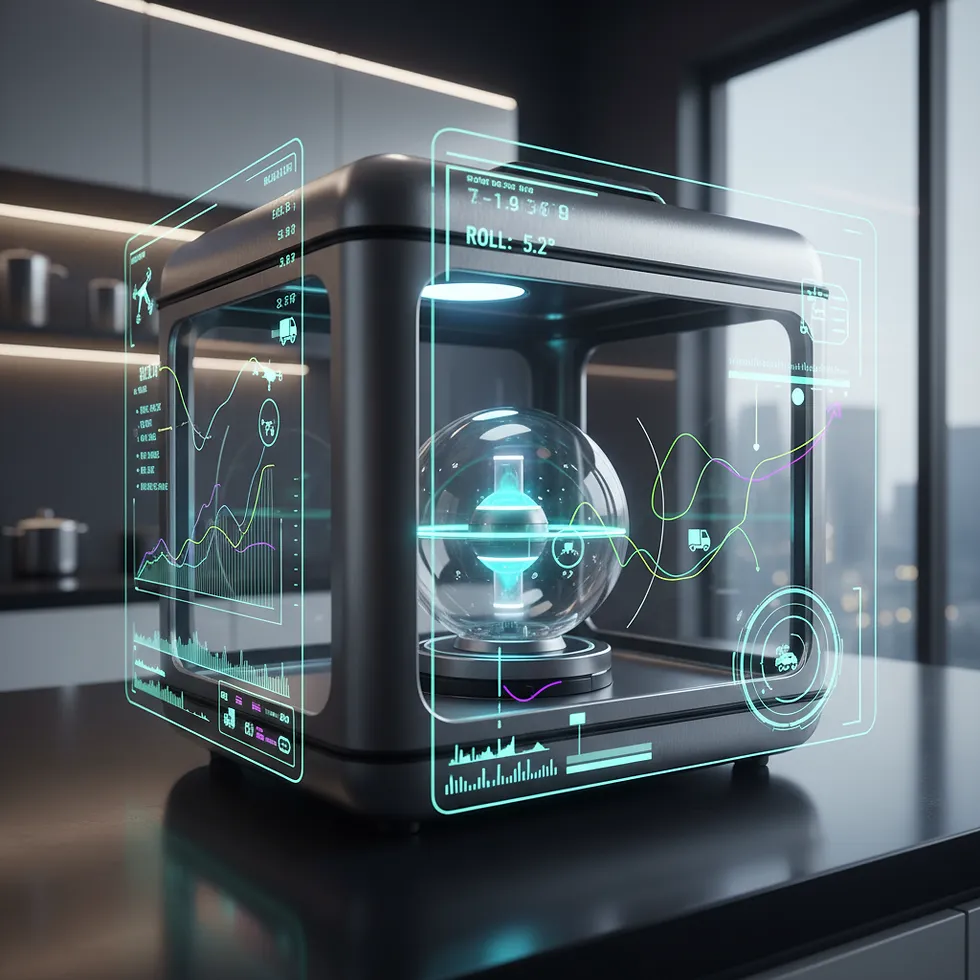
A Smart Delivery Boxes For Food solution can support more reliable deliveries by helping businesses manage different food categories more effectively.
Potential advantages include:
-
Better food quality preservation
-
Improved operational consistency
-
Greater flexibility for mixed orders
-
Enhanced customer experience
-
Reduced delivery-related issues
By improving transportation processes, ghost kitchens can focus on growth without compromising customer expectations.
Supporting Multi-Brand Operations
Many ghost kitchens operate several virtual brands simultaneously. This allows them to maximise kitchen utilisation and reach different customer segments.
However, multi-brand operations often result in more complex delivery requirements. A single order may contain products from different menus, each with unique handling needs.
Delivery solutions that support diverse product categories can help businesses simplify logistics while maintaining quality standards. This becomes increasingly valuable as ghost kitchens expand into new markets and introduce additional brands.
The Future of Ghost Kitchen Growth in India
India’s ghost kitchen sector is expected to continue expanding as consumer demand for food delivery increases. New brands, evolving dining habits, and technology-driven operations will continue to shape the industry.
Businesses that successfully manage both kitchen efficiency and delivery performance will be better positioned for long-term success. As competition intensifies, delivery quality will remain a critical component of customer satisfaction and brand growth.
Conclusion
Ghost kitchens have transformed the food delivery landscape by creating efficient and scalable business models. However, growth can only be sustained when food quality remains consistent throughout the delivery process. Managing multiple brands, diverse menus, and increasing order volumes requires stronger delivery infrastructure alongside efficient kitchen operations. By investing in solutions that support better transportation and product handling, ghost kitchens can continue scaling their businesses while maintaining the quality standards that customers expect.